
How Charlottesville Residents Find Records
Charlottesville has no single public household list. Start with the item already tied to the question. An exact address is best for the City GIS Viewer and the assessor's parcel file. An owner name can lead from a parcel to a deed. A person who needs to check their own registration should use Virginia's secure voter portal. A family-history search often begins with a dated city directory, newspaper notice, cemetery lead, or probate file instead. Each source confirms a different part of a connection, and an owner, a voter, and an occupant are not interchangeable categories.
Use more than one independent detail for a common name. A middle initial, approximate year of birth where lawfully visible, spouse, historic address, occupation, or deed description can separate people who otherwise look alike. A record that cannot be found may reflect an old street name, an Albemarle parcel with a Charlottesville mailing address, a protected address, or a collection that remains on a shelf rather than online.
- Check the City GIS Viewer with one broad address, street, or owner field. Record the parcel ID, situs address, deed reference, and owner label.
- Confirm whether the parcel is in Charlottesville City, Albemarle County, or an exceptional University of Virginia area before choosing a clerk or registrar.
- Use the Charlottesville Circuit Court Clerk's land index for transfer parties and legal descriptions, then move back through grantors and grantees.
- For an earlier household, compare the nearest city-directory editions with census, obituary, land-book, and newspaper evidence.
- When a nonexempt city record is not online, send a specific request to the responsible office through the Virginia Freedom of Information Act process.
Charlottesville Resident Records Offices
Three Charlottesville offices supply the core official trail. The Circuit Court Clerk keeps city land records, probate and court material. The City Assessor connects a parcel to deed and plat references, ownership history, and improvements. The Registrar handles election records and can explain the narrow statutory public-list route. None of these offices operates a complete current-resident roll. For a named street, the Charlottesville street directory route follows the address and parcel chain in more detail.
Charlottesville Circuit Court Clerk
315 East High Street
Charlottesville, VA 22902
(434) 970-3766
Charlottesville City Assessor
102 5th Street NE
Charlottesville, VA 22902
(434) 970-3136
Charlottesville Voter Registration
120 7th Street NE, Room 142
Charlottesville, VA 22902
(434) 970-3250
Virginia Citizen Portal for secure self-service status checks
Charlottesville Records Need a Boundary Check
Charlottesville became an independent city in 1888. Albemarle County surrounds it, but the city and county keep separate clerks, assessors, courts, and registrars. A Charlottesville mailing address is therefore not enough to choose a records office. A city parcel belongs with the Charlottesville Circuit Court Clerk and City GIS. A county parcel belongs with Albemarle's offices, even when the post office line says Charlottesville. The 1963 annexation adds an older-record complication: a place in Johnson Village, Greenbrier, or Barracks Road can appear in county-era material before later city assessment records.
Confirm the parcel geometry and locality before treating a no-result as final. University of Virginia land can also create a charter-boundary exception. The legal location, postal city, ZIP code, and mailing address each answer different questions.
Charlottesville Parcel Records by Address
The City GIS Viewer is the best current address starting point. Its documented fields include full address, owner's name, street number, street name, zoning, parcel ID, sale date, and sale price. The system combines entered criteria, so begin with one broad field rather than narrowing the search too soon. A result can connect a parcel to its situs address, recorded owner label, sale context, assessment data, and deed or plat reference.
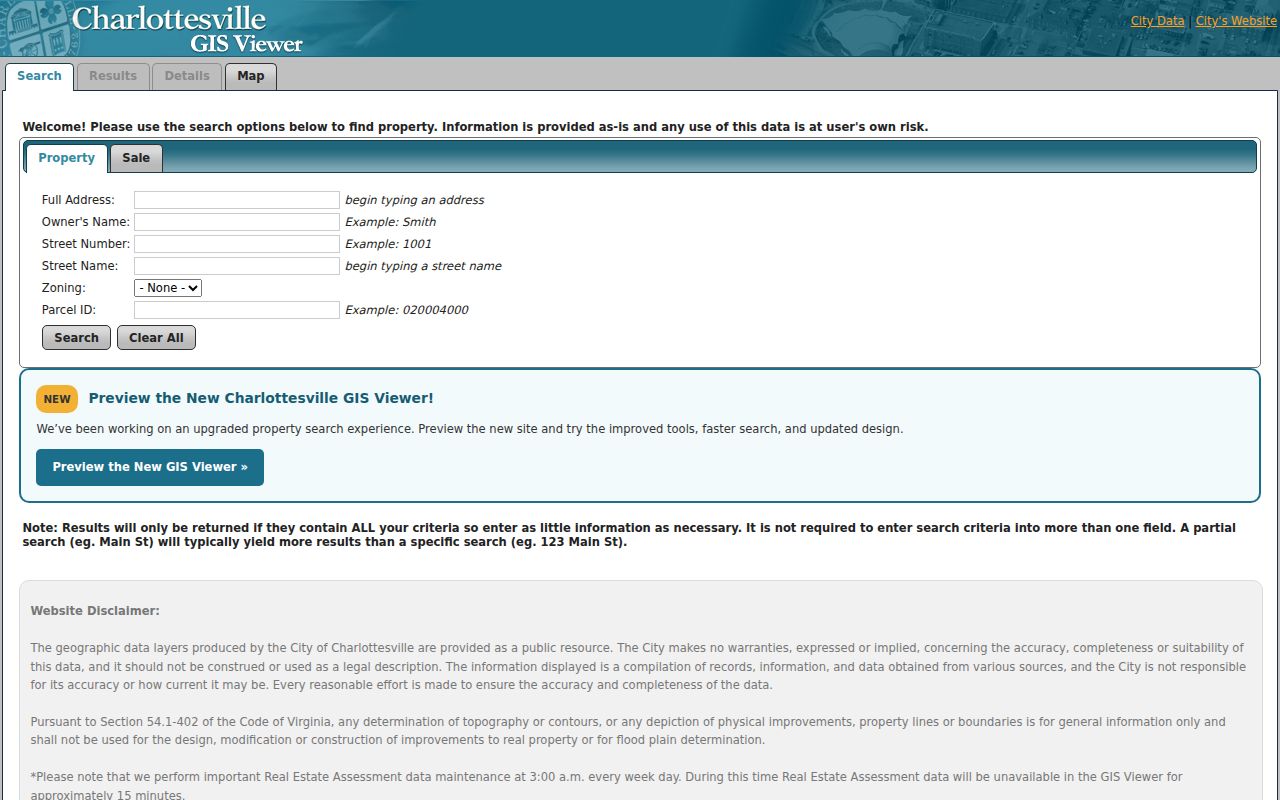
That interface is a parcel and assessment tool, not a legal description or a list of everyone at an address. The assessor keeps hard-copy parcel histories as an offline follow-up when a current map view does not supply the needed history.
| GIS field | Useful Charlottesville check |
|---|---|
| Full Address or Street Name | Find a parcel or browse a broader street result. |
| Owner's Name | Locate a recorded ownership clue, including partial-name searches. |
| Parcel ID | Connect the map result to land books and clerk references. |
| Sale Date or Price | Limit a property search by recorded sale context. |
| Layers and Identify | Compare parcels with ZIP, precinct, neighborhood, and city-limit context. |
Charlottesville Permit and Cemetery Searches
The City of Charlottesville's public search hub directs users to building-permit status, cemetery plot, and real-estate assessment tools. These routes work best as focused leads. A permit can record a project, inspection, or listed applicant where public, but it does not prove that an applicant or contractor lived at the property. Cemetery search results can support a death or burial lead, then need confirmation through an obituary, vital index, or cemetery office.
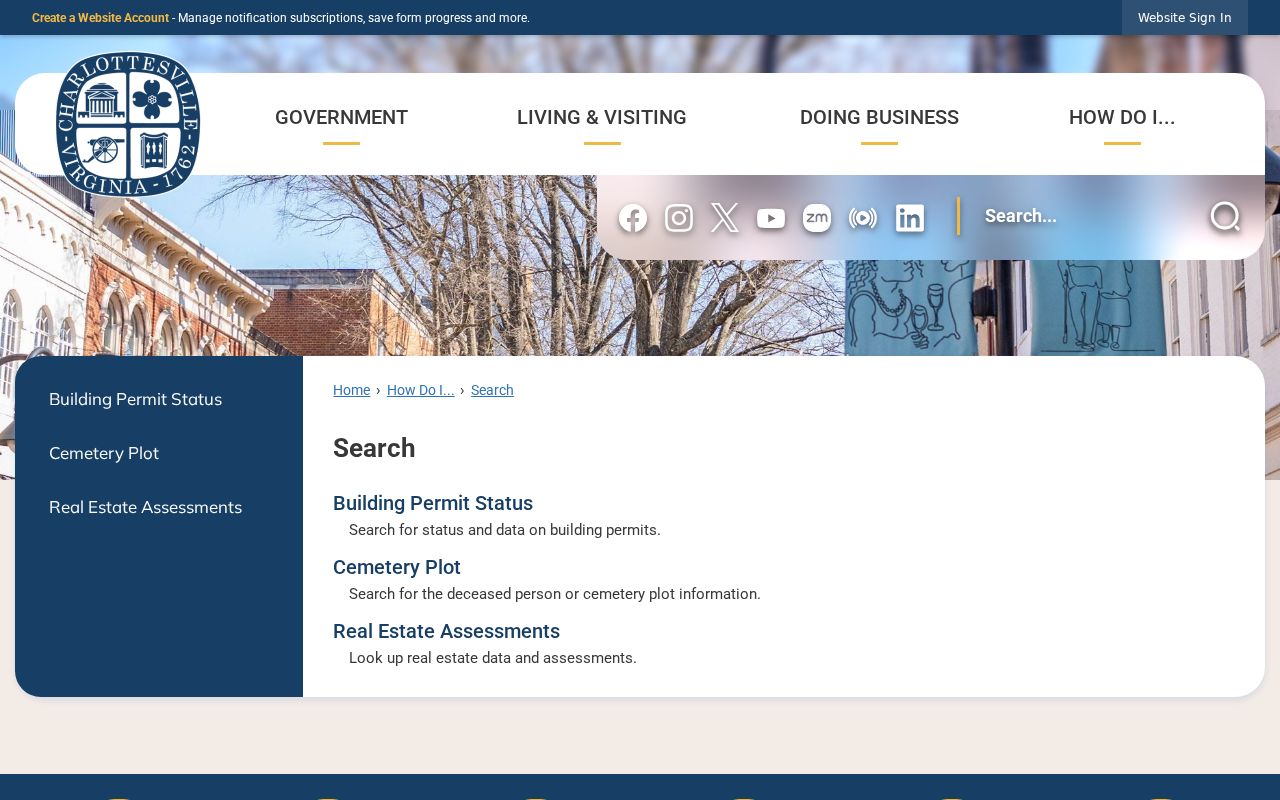
The hub makes the separate functions visible. For older permit material or a missing public result, use the City Public Permit Portal first and then make a specific request to the city custodian if the record is nonexempt.
The City's Apps landing page also points to the cemetery-search service.
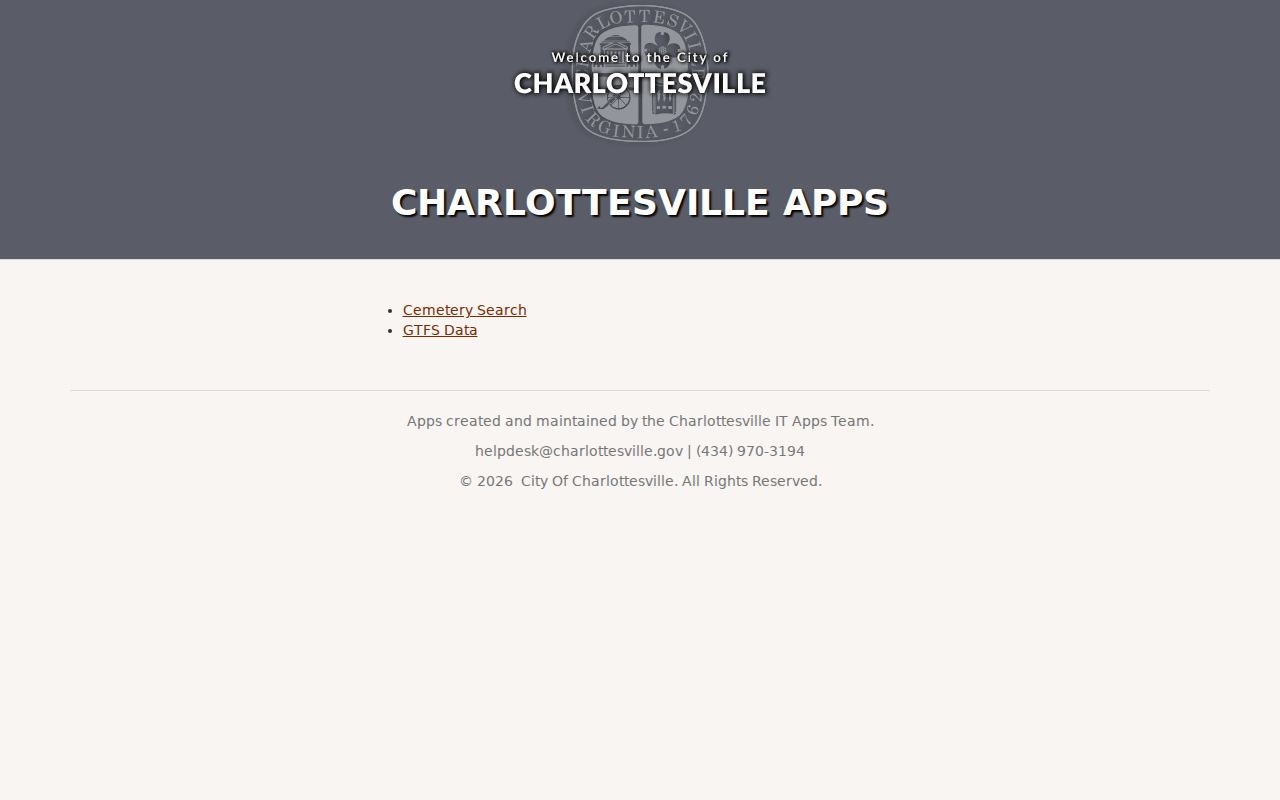
A cemetery hit should be treated as a research lead and checked against a death index, obituary, or the cemetery office before drawing a family conclusion.
Charlottesville Deeds Link Names to Parcels
A recorded deed follows the property, not necessarily the street number. Start with the current owner in the GIS result, search that person as a grantee in the clerk's land index, then use the seller as the next earlier grantee for the same legal description. Grantor means seller and grantee means buyer. The legal description, lot, plat, or prior-instrument reference is the durable bridge when a street was renamed, renumbered, or split into parcels.
Virginia Secure Remote Access explains that free index-only searching is available where a clerk enables it and image access follows local subscriber rules. Charlottesville's own page points users toward US Land Records pay-per-view. The clerk counter, local books, and Library of Virginia microfilm remain the fallback chain because the public local page does not state a citywide online cutoff.
- Parcel
- A mapped property unit with an identifying number in the assessor system.
- Index
- A finding tool that identifies a record; it is not always the record image.
- Criss-cross directory
- A historic directory arranged by address so an old household can be located by street number.
- Legal description
- The lot, subdivision, or boundary wording that identifies land in a deed.
The remote-access rules are a reminder to separate a searchable index from the clerk's official record. Record the book, page, instrument number, and legal description before moving to the preceding transfer.
Current Charlottesville Resident Directories
Current Charlottesville resident directories are really separate official indexes. The GIS and annual land books are owner and parcel sources. Deed indexes identify parties to recorded transfers. The secure voter portal serves a registered voter's own account, while a statutory voter list follows different rules through election officials. Court indexes, licenses, and public notices can help test a name, yet none should be read as a current household list.
| Source | Who It Lists | Keeper | Access |
|---|---|---|---|
| City GIS and land books | Recorded owners and parcels | City Assessor and Circuit Clerk | GIS free; unofficial land-book PDFs 2015–2026 |
| Recorded land index | Grantors, grantees, liens and legal descriptions | Charlottesville Circuit Court Clerk | SRA rules vary; counter and pay-per-view paths |
| Voter registration records | Statutory registration fields, with exclusions | City Registrar and Virginia Elections | Secure self-check plus public-inspection rules |
| Court case index | Parties, case numbers, dates and disposition | Virginia courts and local clerks | Scope varies; protected cases stay closed |
| Historic city directories | Dated name and address clues | JMRL, UVA, ACHS, LVA and NARA | PDF, microfilm, library, and archive access |
Use a parcel or deed for an ownership question. Use a court or vital index only for the event it records. For one person rather than a location, a Charlottesville resident lookup keeps those records distinct and checks a name against independent details.
Charlottesville Voter Records Have Narrow Uses
The Virginia Citizen Portal is for an individual to securely check their own registration, polling place, districts, absentee status, and voting history. It asks for name, date of birth, last four Social Security digits, locality, and an attestation. It is not an online method for listing a whole street. Select Charlottesville City, not Albemarle County, when checking a city registration.
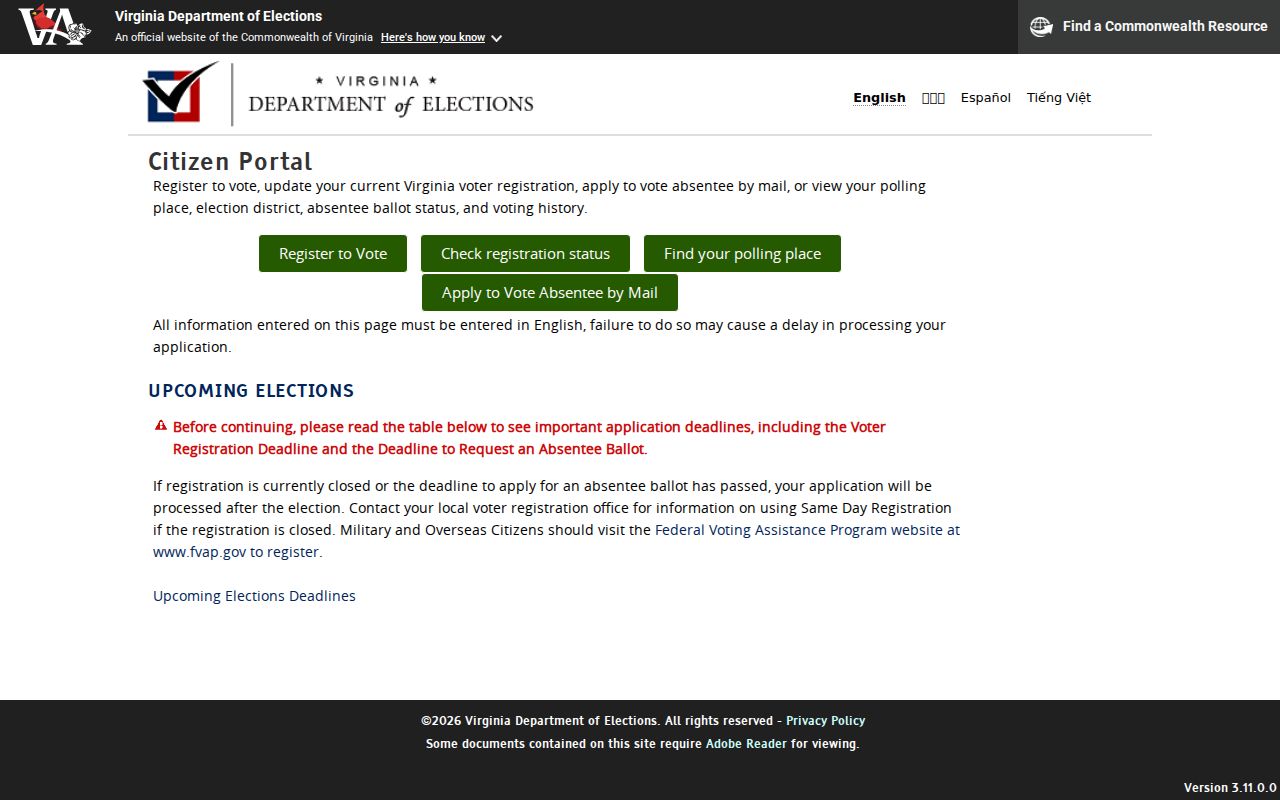
Virginia's public registration-list rules are different. They permit defined fields such as name, address, year of birth, gender, and election districts while excluding sensitive fields and protected residences. The Charlottesville Registrar can explain public inspection or correction channels when the secure portal is unavailable.
Charlottesville Court Names Need Context
Virginia Case Status and Information offers name, case-number, and hearing-date search modes for many General District cases and selected circuit cases. Use the correct court and locality. Charlottesville Circuit, General District, and Juvenile and Domestic Relations courts have separate responsibilities, and there is no universal public circuit-court search. Juvenile and domestic-relations information is not available through the public online case-information route.
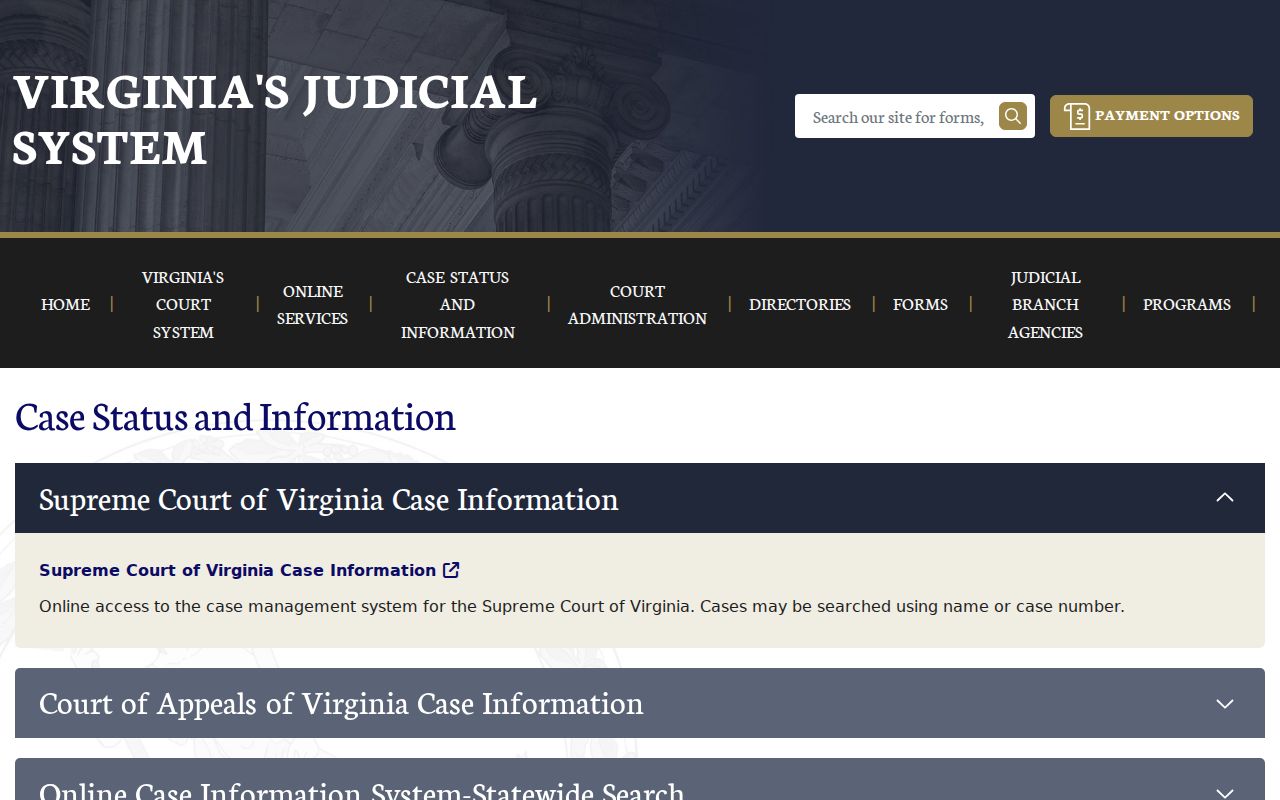
A docket result can show a party name, case number, case type, filing or hearing date, action description, and status or disposition. It does not verify present residence. Use the case number with the clerk to request an underlying public file, and do not infer guilt from an accusation or copy information from sealed, expunged, juvenile, or protected matters.
Charlottesville Vital Records Follow Age Rules
Virginia Department of Health indexes are useful for an event lead, but current certificates are not an open name-search resource. Under Va. Code § 32.1-271, birth records become public after 100 years; death, marriage, and divorce records become public after 25 years. Statewide indexes cover births and deaths from 1912, divorces from 1918, and marriages from 1936. Current certified copies are generally limited to immediate family or other qualified people with identification.
The Office of Vital Records offers online, mail, and walk-in channels, while local health districts can provide a practical certificate counter. The current fee identified by VDH is $15 per certificate or search. For adoption questions, use Virginia DSS Adoption Disclosure or the confidential Birth Father Registry rather than trying to locate a sealed file through ordinary public records.
Charlottesville Records Requests Fill Gaps
When the city does not publish a nonexempt record online, use the Charlottesville FOIA request route. The City accepts requests online, in person, by mail, or by fax at 434-970-3890. A useful request names a record type, date range, address, permit number, or department rather than asking for everything about a person or place. The City Attorney's Office coordinates city FOIA work.
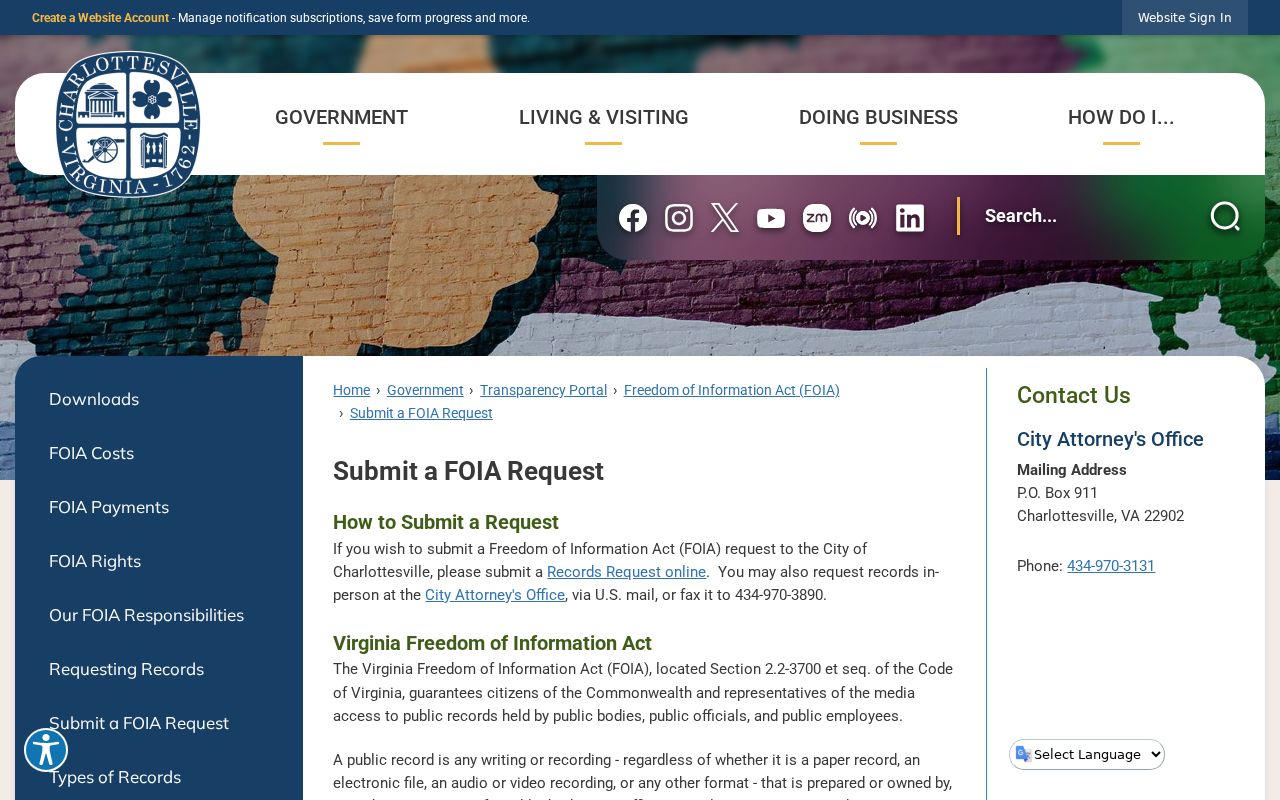
Virginia Freedom of Information Act, Va. Code § 2.2-3704, calls for a response within five working days: records, a cited withholding, a no-record answer, or notice that a prompt answer is impracticable. The law does not require an office to create a new record or release information protected by an exemption.
Charlottesville Council Archives Add Names
Charlottesville's Council archive is a local records story, not a resident roll. A 2022 imaging project put more than 8,000 pages of City Council minutes and ordinance books online, including minutes back to 1854 and ordinances from 1904. Public business may identify officials, petitioners, committee participants, street actions, and property decisions. It can give a name historical context, but it does not establish that the person lived at a particular address.
For a historical address, compare council records with deeds, directories, and map evidence. That combination is especially useful when a street name changed or a neighborhood was altered by annexation or redevelopment.
Charlottesville Custody Records Are Limited
The Albemarle-Charlottesville Regional Jail Records Department directs public inmate searching to Virginia VINE rather than publishing a local roster on its records page. Its weekday records desk can answer process questions, while court clerks control the underlying orders. Custody information is a narrow status lead and never a full legal history or a substitute for reading a public court record.
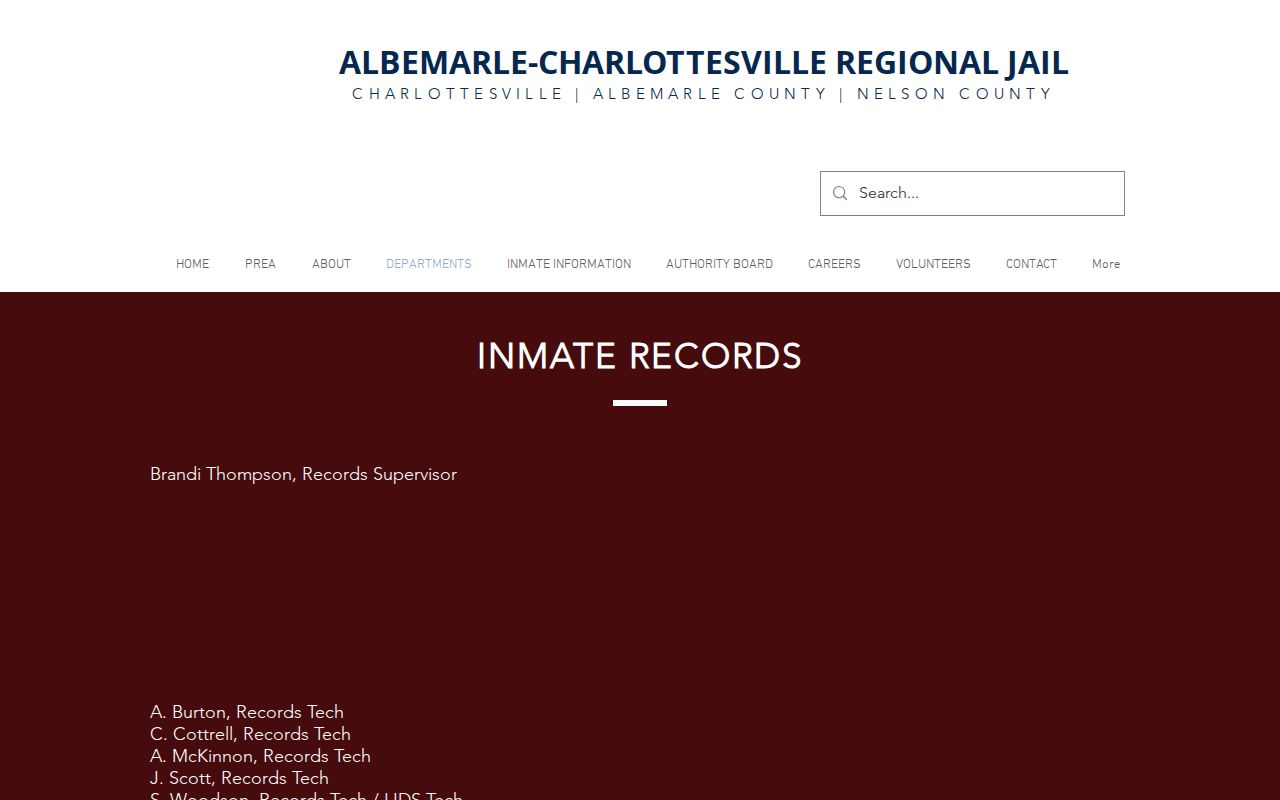
Virginia VINE supports custody-status searches and notifications. Treat its result as information service output, not proof of guilt, residence, or the final terms of a court order.
Charlottesville Name Leads Beyond Local Offices
Virginia's Treasury provides a free statewide unclaimed-property search. It can be useful when a person or family name is already known, but a match is a claim lead, not a location confirmation. The official service says claims are filed through VaMoneySearch and offers mail or email follow-up when needed. Do not pay an upfront fee to a caller who says they can release a claim.
The Virginia Treasury unclaimed-property page explains the official process and routes users to the free search.
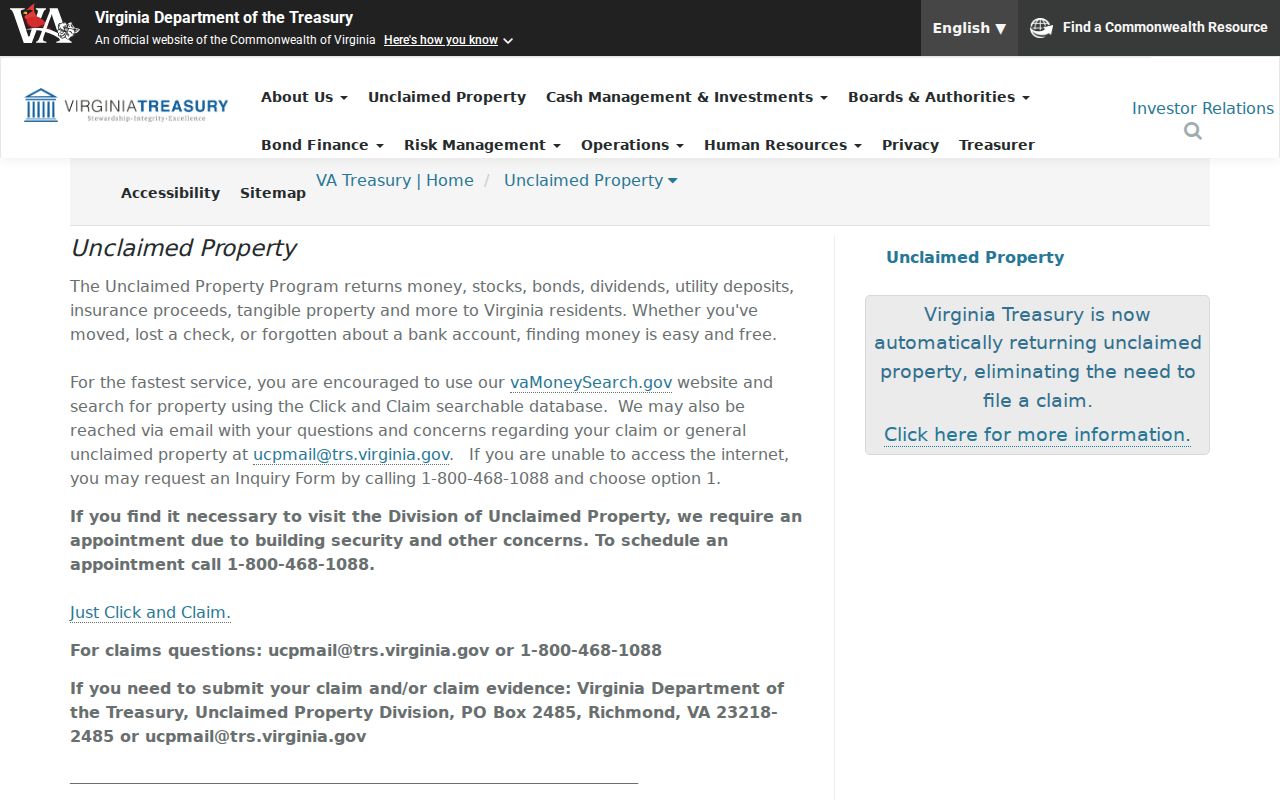
Use a separate official record to verify identity before any claim. A genuine name match may share a surname or use an older address.
Limits on Charlottesville Resident Records
Open records do not erase privacy boundaries. An owner field does not identify everyone in a household, and a tax mailing address can be a business office or another state. Virginia protects sensitive voter details and permits qualifying Address Confidentiality Program participants to use a designated address. Vital certificates follow age and eligibility rules, while juvenile, sealed, expunged, adoption, and protected court material remain restricted.
When a public entry seems wrong, contact the office that created it. The assessor handles parcel data, the registrar handles voter corrections, the clerk handles case and land-record questions, and VDH handles vital-record corrections.
Historic Charlottesville Resident Directories
Charlottesville's printed directory trail begins with known 1895 and 1898 editions, then extends through a microfilm run from 1904/05 to 1960 with documented gaps. JMRL offers the 1898 Charlottesville City Directory as a local-history document. UVA preserves a 1934 Hill's Charlottesville and Albemarle volume, while NARA identifies 1929, 1931, and 1934 microfilm volumes. These are dated snapshots, not proof of title or current occupancy.
A reverse, or criss-cross, directory is organized by address rather than surname. It can place a household at a printed street number, then a name section may add a spouse notation, occupation, or telephone clue when that edition includes it. The full collection trail, gaps, and reading method belong on the Charlottesville city directory page.
The Library of Virginia's Charlottesville microfilm catalog is another historical access channel. It identifies city administrative, court, land, marriage, vital, and will material from the city's formation, with many reels marked for interlibrary loan. Treat the catalog as an access map rather than proof that every listed page has been digitized.